
Stories about emotions to read



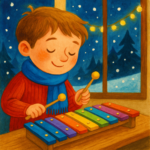






Stories about emotions follow characters through feelings such as joy, fear, frustration, sadness or excitement. A fictional situation can offer a little distance from personal experience and make room for conversation. These stories are reading material to share, with no requirement for a child to explain their own feelings.
Stories about emotions: Notice what happens before and after a feeling
Ask what changed for the character, how their body or behaviour is described and what support they receive. Different readers may interpret the same scene differently. Listen to the child’s response and allow them to stay with the fictional character instead of moving to a personal example.
Stories about emotions: Build a character’s feelings timeline
Draw three moments from the plot and add a word, colour or symbol for the character’s feelings in each one. Talk about what changed between the moments and what another character could do to help.
Questions about stories about emotions
Should children talk about their own experiences?
Only if they want to. They can discuss the character, draw a scene or simply listen. Shared reading works best when privacy and different ways of participating are respected.
Can an emotions story replace professional support?
No. A story can support a conversation, but it is not an assessment or treatment. Choose it for reading and discussion rather than promising a particular emotional outcome.
Explore related collections: Animal stories · Short stories.


