
Traditional stories to read
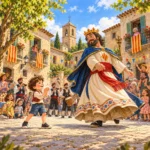
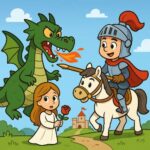
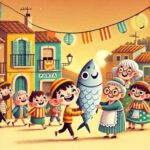




Traditional stories are tales passed between people and generations, often through oral storytelling as well as written adaptations. Repeated phrases, memorable tasks and familiar character types help listeners follow the action. Reading them in English offers a way to explore both an adventure and the different versions that keep it alive.
Traditional stories: A living tradition can have several versions
Details may change with the teller, place, language or audience. Those differences are part of the story’s transmission rather than a reason to search automatically for one correct version. When an origin is documented, discuss it; when it is uncertain, avoid assigning a culture or author without evidence.
Traditional stories: Tell the story without the page
After reading, retell the main events aloud using a repeated phrase. Invite children to add a detail, then compare their version with the written one and notice what each teller kept.
Questions about traditional stories
Are traditional stories always anonymous?
Many have circulated orally, while particular written versions may be linked to a named collector or author. Distinguish a tale’s transmission from the authorship of a specific adaptation.
What is the difference between a tale and a legend?
A legend is often attached to a named place, person or event. A traditional tale can use a less specific setting. Both may combine familiar patterns with imaginative elements.
Explore related collections: Animal stories · Short stories.